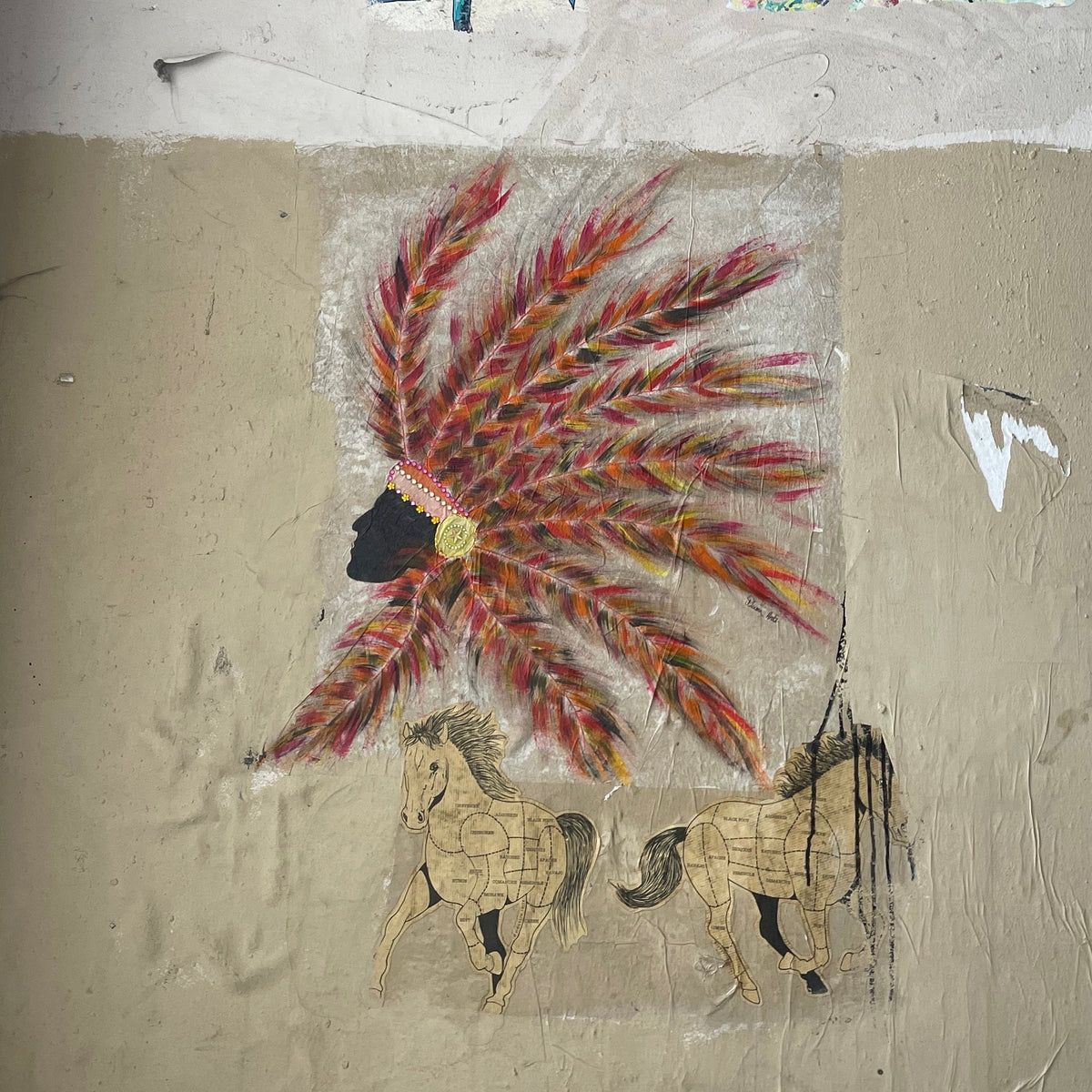
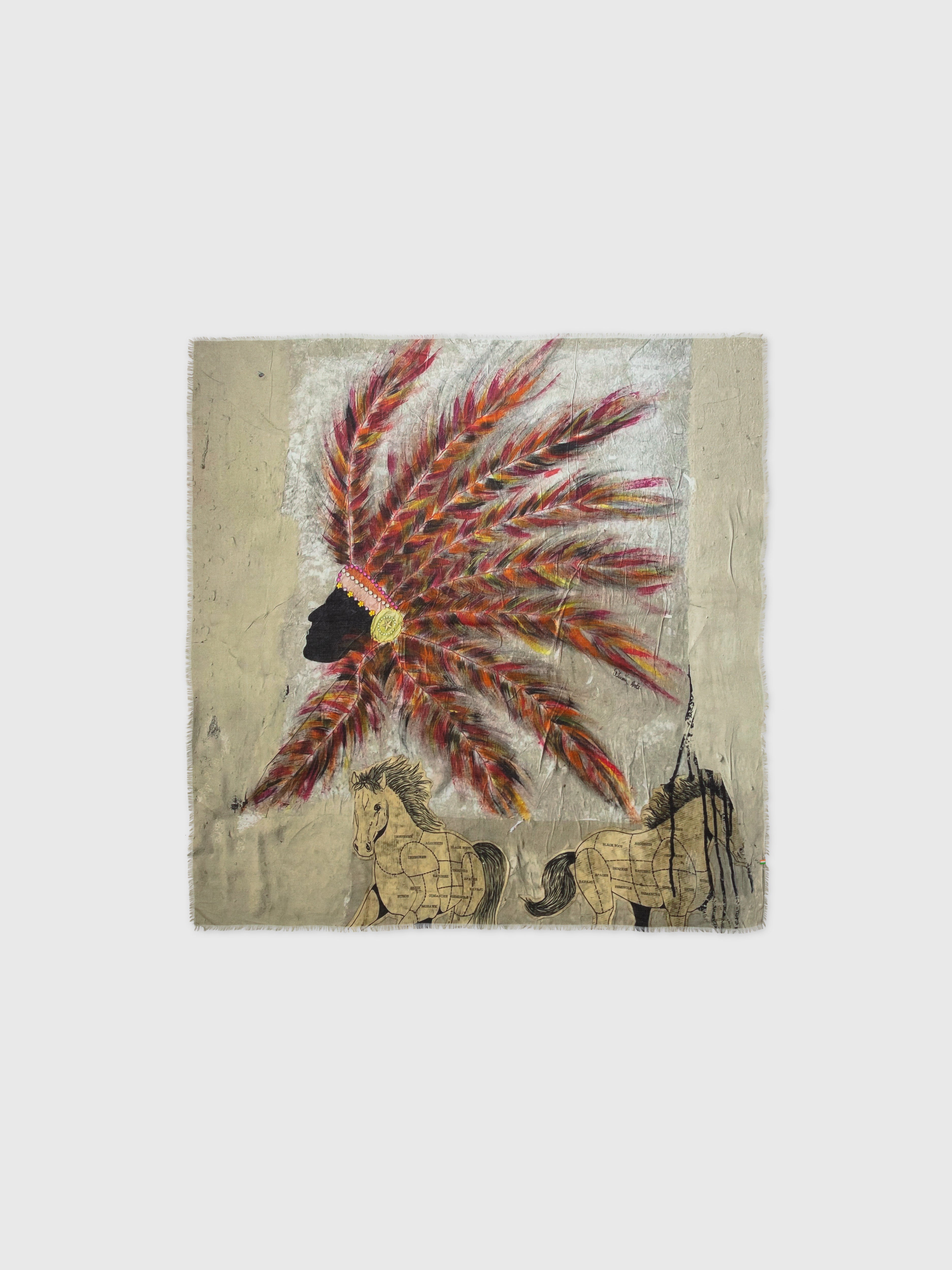
Discovered in Paris near Canal Saint-Martin, this wall carried the kind of layered urban poetry the neighbourhood does remarkably well. Torn paper, faded plaster, fragments of paste-ups, old marks, soft damage, and suddenly, a silhouetted profile exploding into feathers beside two delicately illustrated horses.
Nothing about the composition feels expected. Indigenous-inspired headdress graphics collide with anatomical horse drawings, rough street textures, and nearly monochrome walls worn down by time and weather. Cultural references overlap freely, without asking permission from one another.
The area around Canal Saint-Martin has long attracted this kind of visual accumulation. Independent galleries, posters over posters, half-removed street art, café terraces, bicycles chained to iron bridges, and walls constantly shifting between decay and reinvention. Beautiful things rarely stay pristine there for very long.
Muted beige and chalky whites allow the reds, oranges, pinks, and yellows of the feathers to almost vibrate against the surface. The horses introduce another rhythm entirely, quieter, more delicate, almost archival. Together, the image feels both raw and strangely graceful.
Nothing appears fully finished. Certain fragments dissolve into the wall while others remain sharp and graphic. Even the empty space surrounding the artwork becomes part of the composition.
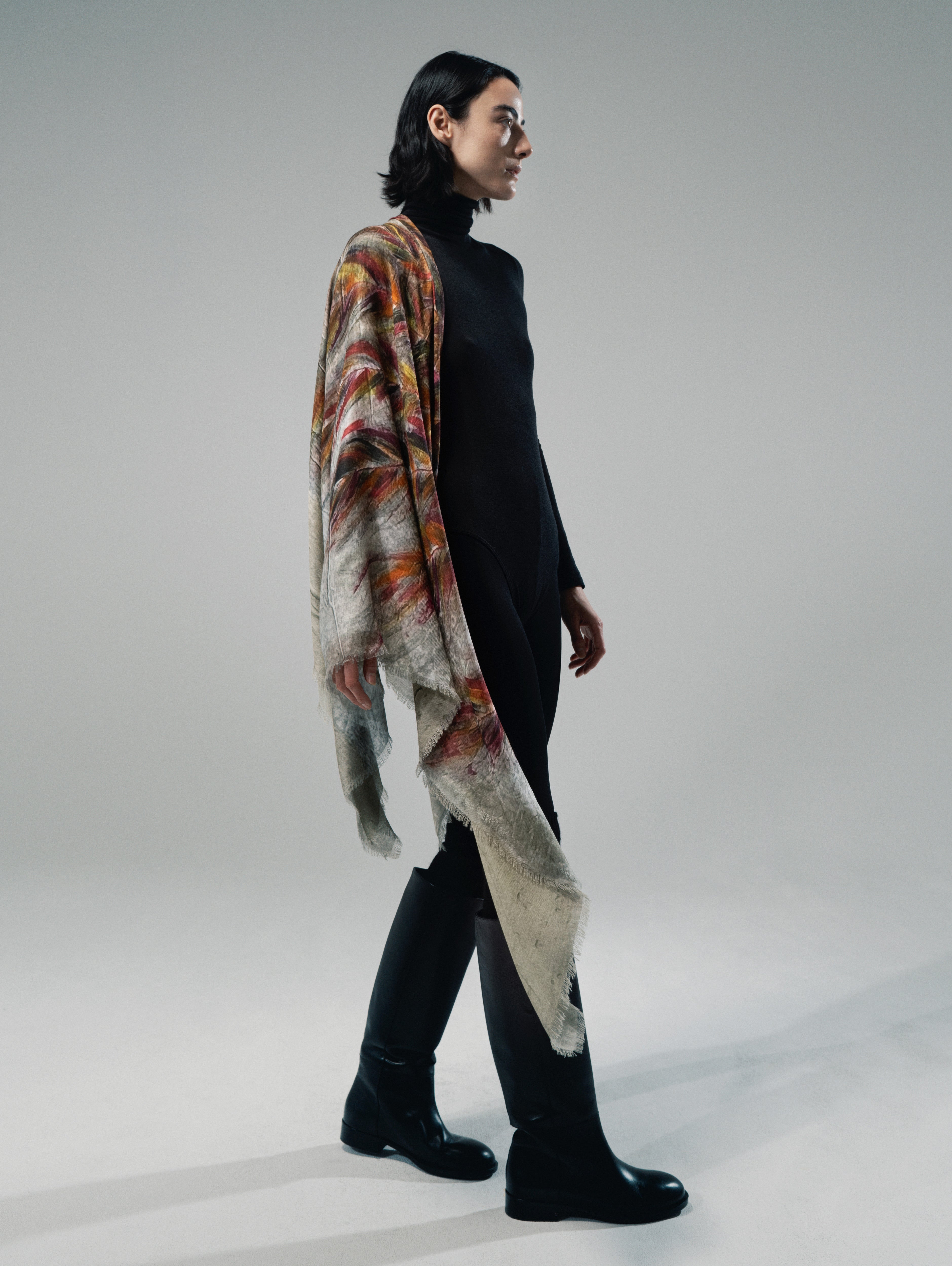
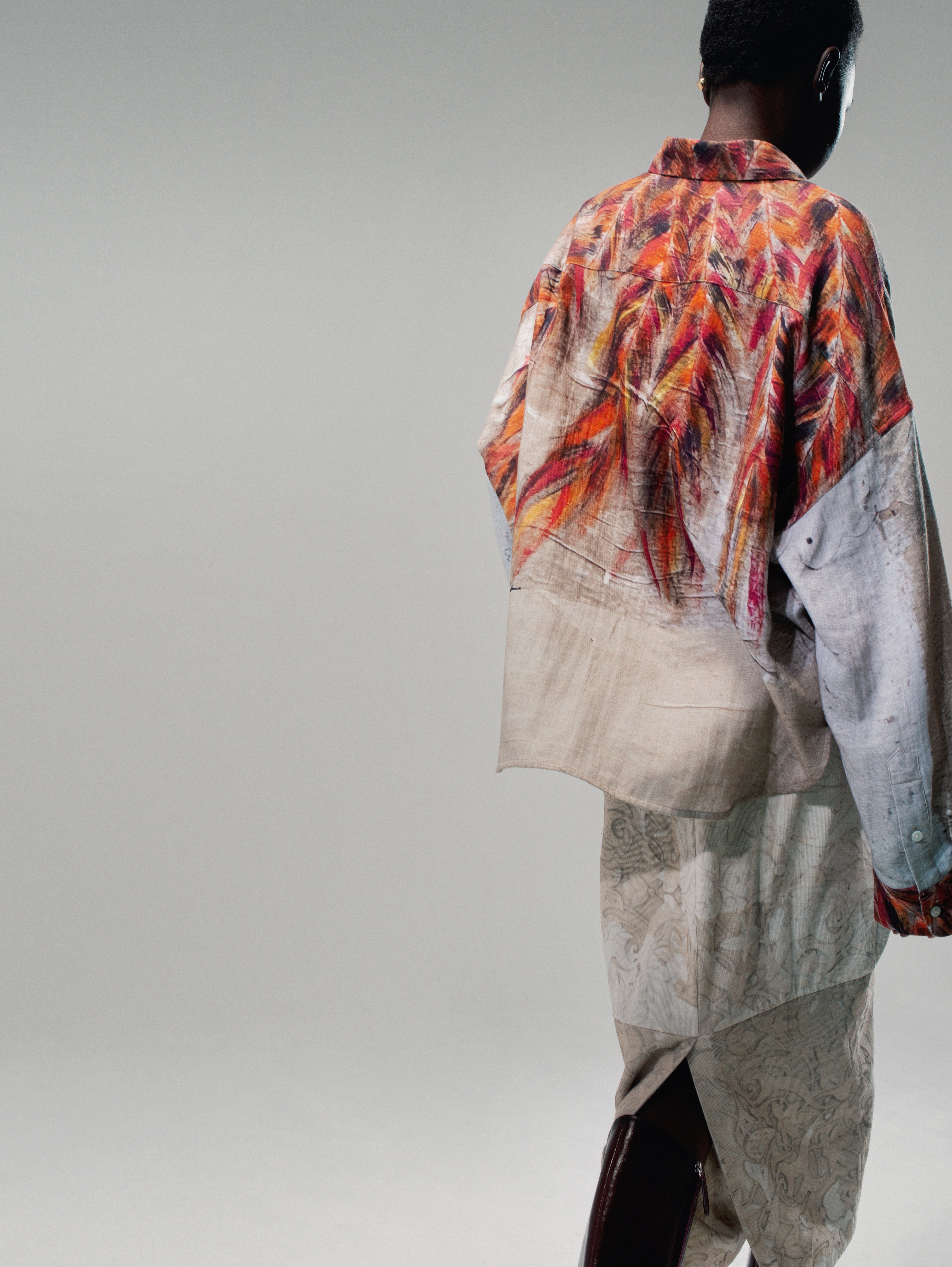
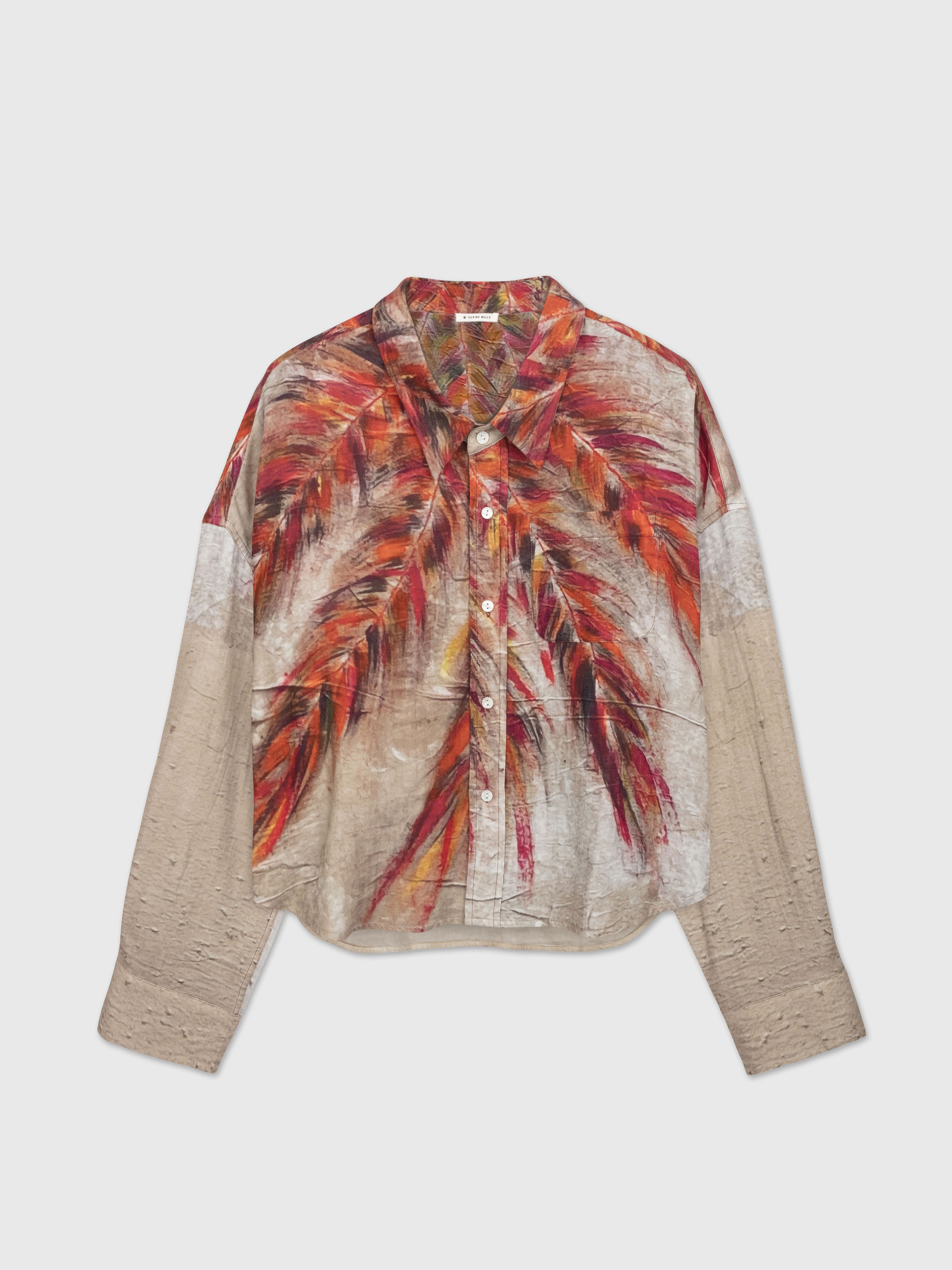
On textile, the contrast between soft deterioration and explosive colour created remarkable tension. Delicate linework beside expressive movement. Silence beside spectacle.
Paris occasionally behaves best when it stops trying to look elegant.